Gambling Commission Levies Penalty on Holland Park Leisure Limited Over Self-Exclusion Failures
Felix Müller · Aug 25, 2026

Gambling Commission Levies Penalty on Holland Park Leisure Limited Over Self-Exclusion Failures
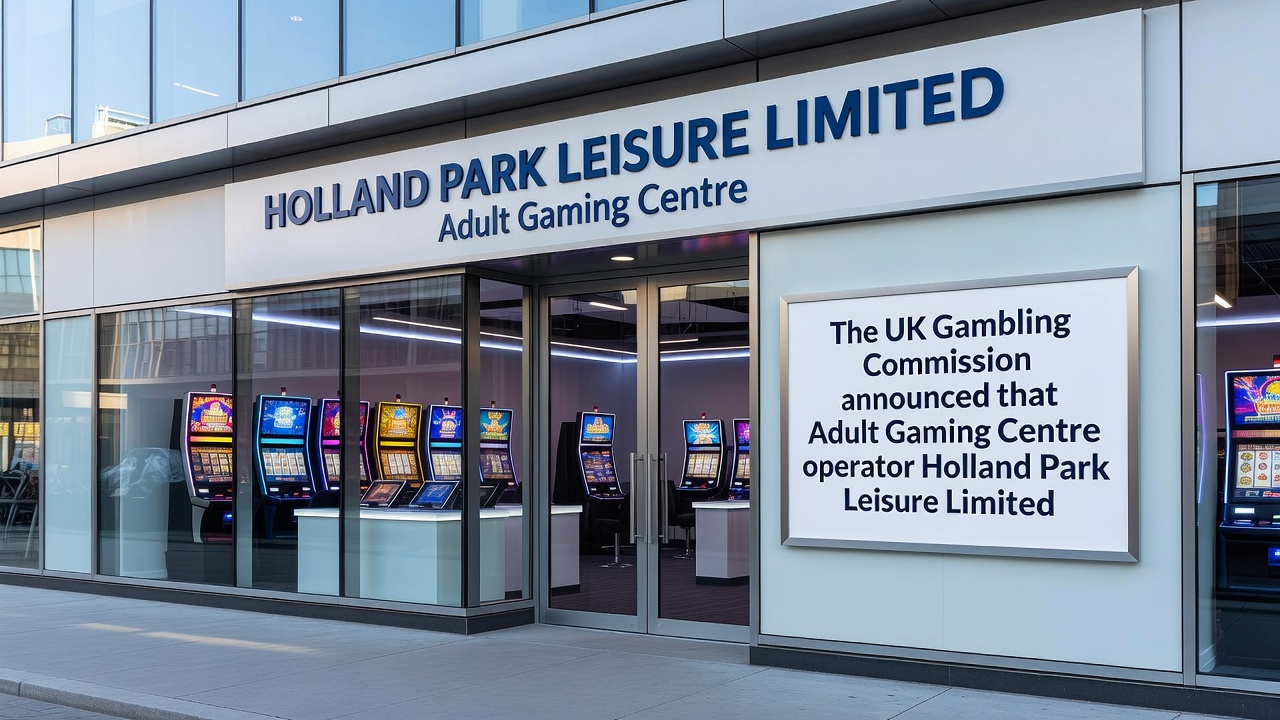
The UK Gambling Commission announced that Adult Gaming Centre operator Holland Park Leisure Limited has been fined £150,000 for failing to comply with a self-exclusion requirement intended to reduce gambling harm, and this action forms part of ongoing enforcement measures the regulator has pursued throughout 2026.
Self-exclusion schemes allow individuals to request that gambling operators block them from accessing services for a set period, yet the operator in this case did not maintain adequate systems to enforce those requests consistently across its venues. The commission determined that Holland Park Leisure Limited fell short on verification processes and record-keeping standards that the rules require, which led directly to the financial penalty.
Details of the Enforcement Decision
According to the commission's published notice, the breach involved multiple instances where self-exclusion requests were not properly recorded or acted upon, and investigators found gaps in staff training that allowed customers who had excluded themselves to continue playing at certain locations. The fine reflects both the scale of the non-compliance and the operator's failure to address earlier warnings issued during routine compliance checks.
Holland Park Leisure Limited operates a network of adult gaming centres, and the regulator noted that the shortcomings affected the effectiveness of the national self-exclusion database that all licensed operators must integrate with their own systems. Data from the commission shows that operators must check the database in real time when customers attempt to register or enter premises, but the audit revealed delays and incomplete checks at several sites run by the company.
Context Within 2026 Regulatory Activity
Enforcement activity has remained steady in 2026 as the commission continues to monitor adherence to harm-reduction measures that were strengthened in previous years. The Holland Park Leisure case follows a pattern where fines target specific operational failures rather than broad policy violations, and observers note that the regulator has issued similar penalties against other adult gaming centre operators during the same period.
Those who track these decisions point out that self-exclusion compliance forms a core part of the licensing conditions every operator accepts when they receive their certificate, and the commission has made clear that repeated or systemic lapses will trigger financial sanctions scaled to the size of the business. The £150,000 amount sits within the range applied in comparable cases where the breach did not involve the most serious categories of misconduct such as money laundering or underage access.
Operators must update their internal procedures whenever the commission revises its guidance, and the August 2026 period has seen renewed emphasis on real-time database integration following earlier reviews of exclusion effectiveness. The commission's news updates indicate that further cases remain under investigation, although specific details on additional operators have not yet been released.
Operational Requirements for Self-Exclusion
Under current rules, every licensed adult gaming centre must display clear information about self-exclusion at entry points and customer service desks, while staff receive mandatory training on how to process requests and verify exclusion status before allowing play. The commission requires that operators retain audit trails showing each check performed against the national database, and failure to produce those records during inspection counts as a separate breach.
Holland Park Leisure Limited acknowledged the findings in the commission's statement and has since implemented revised protocols that include additional automated alerts and monthly internal audits. The regulator will conduct follow-up inspections to confirm that the new measures operate as intended, and any future non-compliance could result in escalated penalties including licence conditions or suspension.
Broader Impact on Industry Practices
Other operators have examined the published decision for guidance on strengthening their own compliance frameworks, particularly around database connectivity and staff accountability. The commission encourages all licensees to review their exclusion processes against the standards set out in the latest compliance guidance, and several trade associations have circulated summaries of the case to members.
Figures released by the regulator for the first half of 2026 show an increase in the number of self-exclusion requests processed across the adult gaming centre sector compared with the previous year, which suggests greater public awareness of the scheme. At the same time, enforcement actions highlight that volume alone does not guarantee effective delivery if backend systems contain gaps.
Conclusion
The £150,000 fine against Holland Park Leisure Limited underscores the commission's focus on practical enforcement of self-exclusion rules that protect those who have chosen to step away from gambling. The case illustrates how specific operational shortcomings translate into regulatory consequences, and it provides a reference point for other operators seeking to align their procedures with current expectations. Further updates from the commission will clarify whether additional enforcement actions follow the same pattern later in 2026.