Mapping the Interplay Between Pocket-Sized Real-Time Dealer Formats and Instant Settlement Systems for Entry-Level Participation
Paul Reed · Oct 29, 2026
Mapping the Interplay Between Pocket-Sized Real-Time Dealer Formats and Instant Settlement Systems for Entry-Level Participation
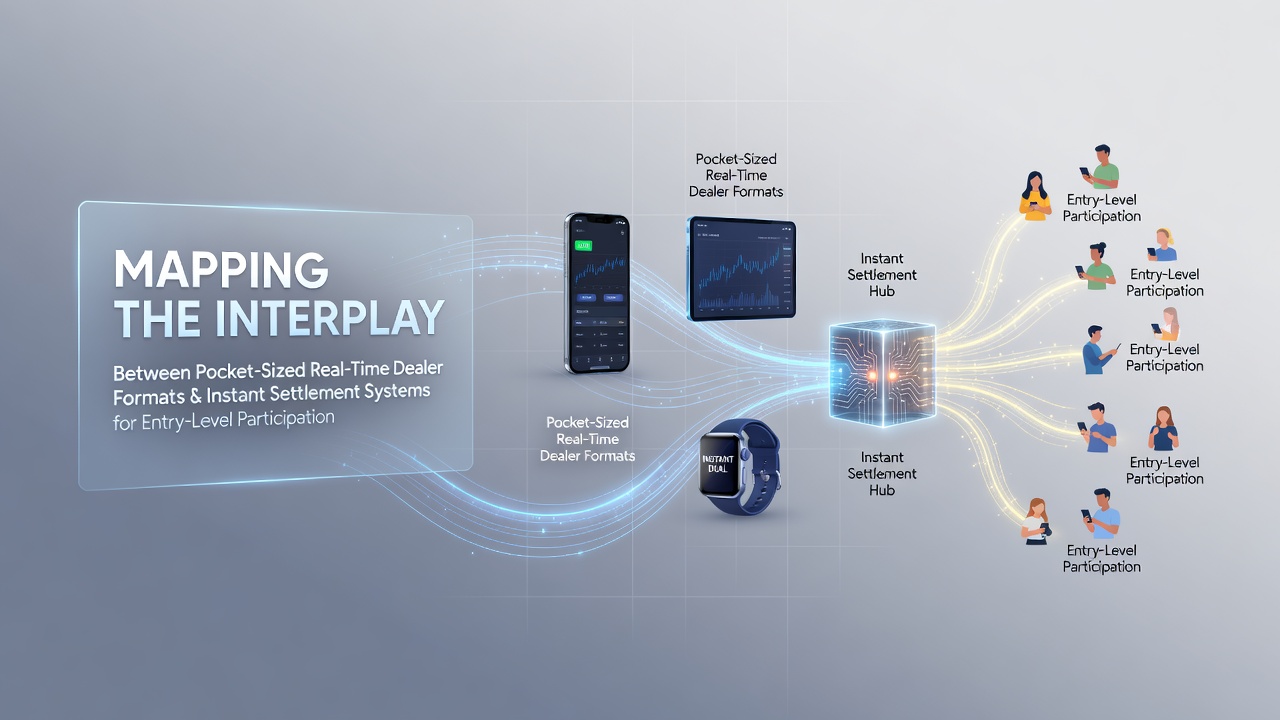
Real-time dealer formats adapted for pocket-sized devices combine live video streams with mobile interfaces, and these setups connect directly to instant settlement systems that process transactions in seconds rather than hours. Observers note that entry-level participation grows when users access low-stake tables without extended verification delays, since the combination reduces friction between joining a session and receiving funds back. Data from regional gaming authorities shows mobile live dealer traffic increased steadily through 2025, with projections extending into October 2026 as platforms refine streaming quality and payment rails.
Core Components of Pocket-Sized Real-Time Dealer Formats
Live dealer sessions streamed to smartphones rely on high-definition video feeds captured from physical tables or studio environments, and these feeds transmit through optimized compression protocols that maintain clarity on smaller screens. Participants interact via touch controls for betting actions while the dealer responds in real time, which creates an experience distinct from fully automated RNG games. Research indicates that latency under two seconds remains critical for user retention, and developers achieve this through edge computing nodes positioned near major population centers. Those who track adoption patterns report that entry-level users favor formats with minimum bets starting at the equivalent of one currency unit because such thresholds lower barriers compared to traditional casino minimums.
Mechanics of Instant Settlement Systems
Instant settlement relies on integrated payment processors that authorize deposits and withdrawals through APIs linked to banking networks, digital wallets, and in some jurisdictions prepaid card systems. Transactions clear without batch processing windows, which means funds move from player account to external method within moments of a game conclusion. Figures from North American regulatory filings reveal that platforms offering sub-sixty-second payouts record higher repeat engagement rates among new participants. The technology stack includes tokenization for security alongside automated compliance checks that flag unusual patterns before funds release, and this balance supports both speed and regulatory adherence across different markets.
Integration Patterns Across Mobile Environments
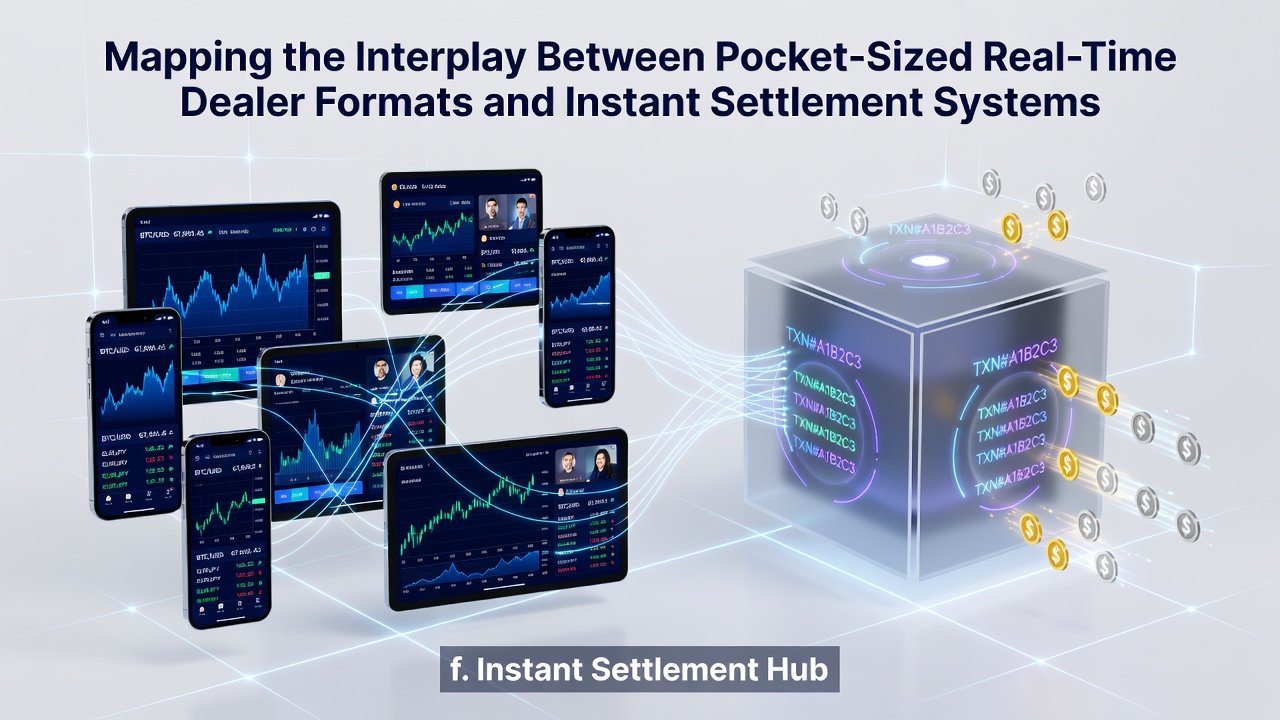
Platforms synchronize dealer feeds with settlement engines so that winnings update balances immediately after each round concludes, and this linkage allows users to re-enter tables without switching applications or waiting for confirmations. One study released by a Canadian research consortium found that seamless handoffs between live video and payment confirmation increased session length by measurable margins when compared to systems requiring separate withdrawal steps. Entry-level participants often begin with tutorial modes that simulate real-time play before committing actual funds, and the same settlement layer handles practice credits separately from real balances. What's notable is how these integrations scale across operating systems, with developers maintaining consistent APIs that function on both major mobile platforms without requiring separate codebases.
Entry-Level Participation Factors
Lower deposit minimums paired with instant processing encourage first-time users to test real-time dealer formats without committing larger sums, and data from industry reports confirms this combination drives initial conversion rates. Observers tracking user behavior note that players who experience quick settlements tend to explore additional table variations within the same session. Regulatory frameworks in several Australian states require clear disclosure of processing times, which has prompted operators to standardize instant options across their mobile offerings. In October 2026, updates to certain European technical standards are expected to emphasize compatibility testing between streaming protocols and payment gateways, aiming to maintain consistent performance as device hardware continues to evolve.
Technical and Operational Considerations
Bandwidth management plays a central role because live video requires stable connections while settlement calls must complete without interrupting the stream. Developers implement fallback mechanisms that switch to lower-resolution feeds during network fluctuations, yet settlement functionality continues uninterrupted. Those who've examined platform architectures point out that microservice designs allow independent scaling of video delivery and transaction modules, which reduces the risk of one component affecting the other. Case examples include operators that deployed these architectures in multiple jurisdictions and reported fewer service interruptions during peak evening hours when entry-level traffic typically spikes.
Broader Industry Context
Trade associations such as the European Gaming and Betting Association have published guidelines on system interoperability, and these documents outline best practices for combining live dealer technology with rapid financial processing. Separate analyses from Australian government sources highlight how instant settlement adoption correlates with shifts in player demographics toward younger mobile-first users. The interplay extends beyond convenience because accurate real-time balance updates support responsible play features like session timers and spend limits that reference current funds rather than delayed figures. Researchers continue to monitor how these elements interact across different regulatory environments, with particular attention to data privacy standards that govern both video streams and transaction records.
Conclusion
The mapping of pocket-sized real-time dealer formats with instant settlement systems reveals a tightly coupled infrastructure where each component reinforces the accessibility of entry-level participation. Mobile streaming advancements and payment processing speed together shape how new users encounter and sustain engagement with live dealer environments. Continued refinement through 2026 and beyond will depend on coordinated technical standards, regional regulatory updates, and ongoing measurement of user interaction data across varied markets.