Synchronizing Player Protection Features with Streamlined Transaction Options Across Entry-Level Mobile Real-Time Sessions
Ben Roth · Oct 15, 2026
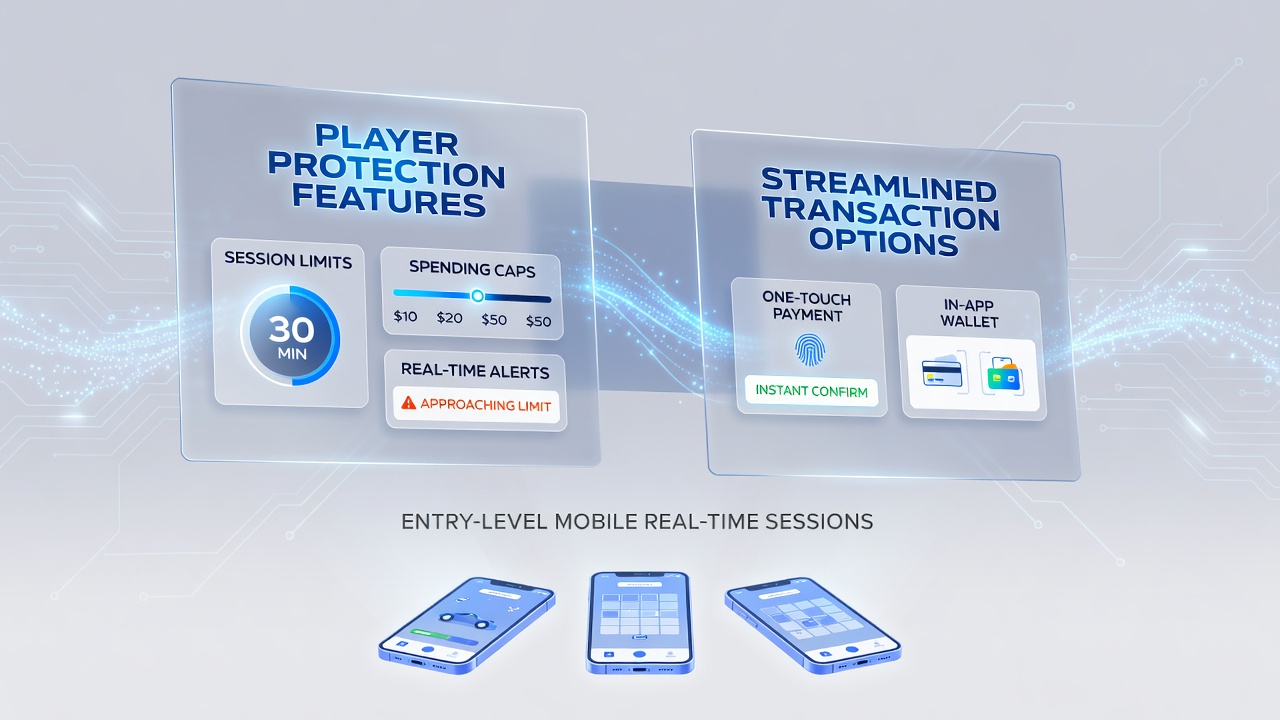
Synchronizing Player Protection Features with Streamlined Transaction Options Across Entry-Level Mobile Real-Time Sessions
Entry-level mobile real-time sessions continue to expand across multiple jurisdictions, and developers face increasing pressure to align protective mechanisms with rapid transaction pathways. Research from the University of Nevada Reno's gaming technology lab shows that low-stakes live environments generate high volumes of micro-transactions, which creates both opportunities and requirements for integrated safeguards.
Operators have begun embedding deposit and withdrawal functions directly into session interfaces while maintaining parallel controls for spending limits and session timers. Data from the Nevada Gaming Control Board indicates that platforms incorporating these dual systems recorded a 14 percent reduction in player complaints related to transaction delays during the first half of 2026.
Integration Patterns in Current Platforms
Developers achieve synchronization by routing transaction requests through a shared compliance layer that checks against predefined player profiles before processing. When a user initiates a deposit, the system simultaneously verifies remaining daily or weekly limits and flags any self-exclusion status without interrupting the session flow. This approach relies on API connections between payment processors and responsible gaming modules, allowing both functions to operate in the same millisecond window.
Industry reports from the European Gaming and Betting Association highlight that entry-level live sessions on mobile devices average under five euros per hand or round, which reduces financial exposure yet still demands precise timing between protection checks and fund movement. One Canadian operator documented that implementing such layered verification cut average transaction completion time from 4.2 seconds to 1.8 seconds while preserving all regulatory checkpoints.
Technical Architecture Supporting Dual Objectives
Modern mobile frameworks utilize microservice designs that separate user interface rendering from backend validation routines. Protection features such as reality checks or cool-down periods run as background processes that pause transaction execution only when thresholds are crossed. Streamlined options appear as one-tap confirmations because the system pre-authorizes common amounts based on prior verified sessions.
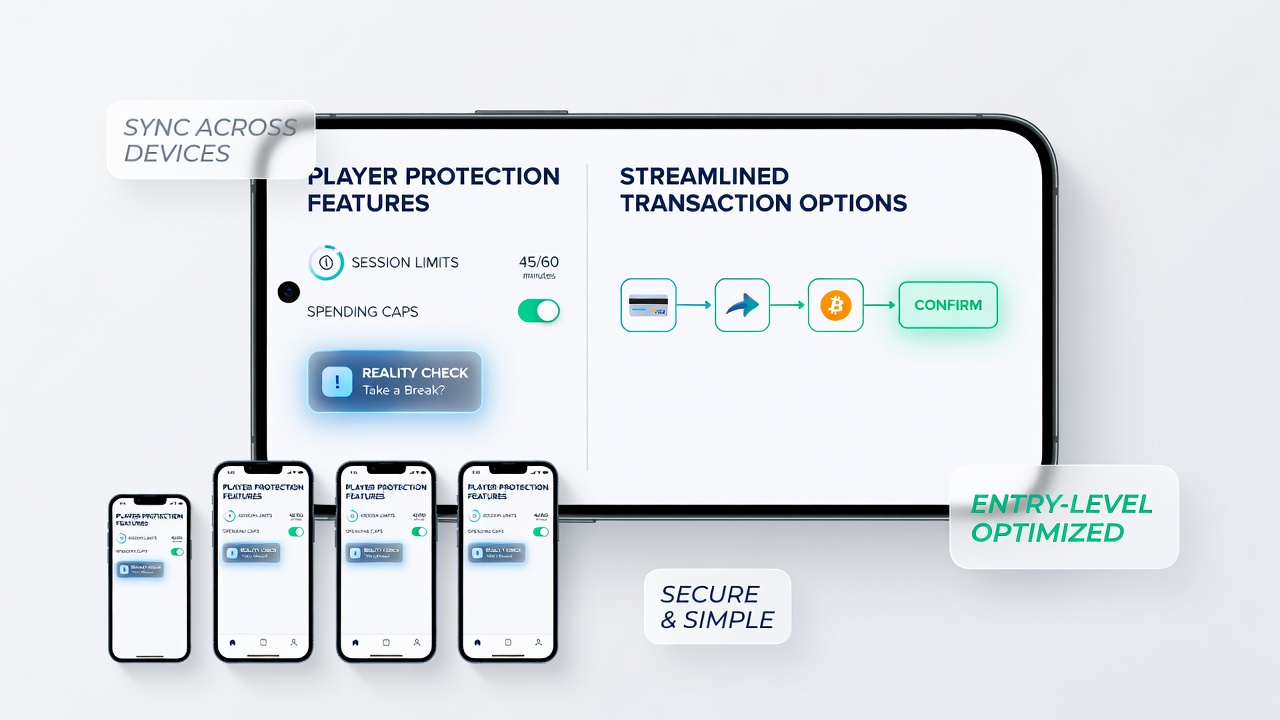
Observers note that October 2026 brought several software updates from major engine providers that standardized these background checks across Android and iOS environments. The updates introduced unified logging so regulators in different regions could audit both transaction speed and protection enforcement from the same data stream. Figures released by the Malta Gaming Authority reveal that platforms adopting the new standard processed 23 percent more sessions per user without increasing reported instances of limit breaches.
Regulatory Expectations Across Regions
Authorities in multiple markets require evidence that protection tools activate regardless of transaction velocity. In Australia, the Northern Territory Racing Commission mandates quarterly reports demonstrating that withdrawal requests trigger immediate balance reviews against harm-minimization settings. Similar requirements appear in proposed legislation from several US state gaming commissions, where mobile live gaming licenses now include performance metrics for synchronized systems.
Those who manage large-scale deployments describe the process as balancing two competing demands: players expect near-instant fund movement, yet oversight bodies demand verifiable pauses when protective protocols engage. Case studies shared at the 2026 International Association of Gaming Regulators conference illustrated how one European operator met both criteria by using tokenized session keys that carry protection metadata alongside payment instructions.
Operational Outcomes and Measurement
Platforms that measure both metrics together report clearer performance indicators. Average session length remains stable when transaction friction stays low, while voluntary limit-setting rates rise when users encounter protection options at the moment of deposit. Research published in the Journal of Gambling Studies tracked 18,000 mobile users across three operators and found that integrated interfaces increased the uptake of voluntary deposit caps by 31 percent compared with separate menu systems.
Engineers continue refining latency tolerances so that even on variable network connections the protection layer completes its assessment before funds transfer. Test results shared by a Singapore-based technology firm showed that edge computing nodes placed near regional data centers reduced the combined processing time for verification and payment to under 900 milliseconds in 94 percent of trials conducted through mid-2026.
Conclusion
Entry-level mobile real-time sessions now operate under expectations that protection features and transaction options function as a single coordinated process rather than sequential steps. Evidence from regulatory filings and academic studies demonstrates measurable improvements in both compliance adherence and user experience when these elements synchronize at the technical level. Continued refinement of shared data layers and regional reporting standards supports further alignment across global markets.